
EducationPhysics teachers, postsecondary
Physics teachers at colleges and universities teach the laws governing matter and energy. They may teach subjects such as mechanics or thermodynamics and combine classroom teaching with physics research.

A closer look at the work, the education, and the opportunities behind your next career move.
Browse career guides and national occupation profiles. Search by profession, industry or occupation code.
$100k+ careers · BLS occupational data · Canada’s 2026 wage dataset
EducationPhysics teachers at colleges and universities teach the laws governing matter and energy. They may teach subjects such as mechanics or thermodynamics and combine classroom teaching with physics research.
HealthcarePodiatrists examine painful or injured feet, assess how patients walk and diagnose foot disorders. Depending on the condition, treatment may include an orthotic device or surgery.
SciencePolitical scientists study governments, political behavior and public policy. They may compare institutions or analyze election results and public opinion to explain how political decisions take shape.
TradesPower distributors and dispatchers coordinate the flow of electricity across a power system. They monitor supply and demand and communicate with generating plants and other operators as conditions change.
TradesPower plant operators monitor generating equipment and adjust output as electricity demand changes. They check instruments and keep operating records so the next shift knows how the plant is running.
BusinessProject management specialists coordinate a project’s schedule, budget, staffing and purchases. When a milestone slips, they work with the team to revise the plan and update the client.
HealthcareProsthodontists restore damaged teeth and replace missing ones. They plan and fit crowns, bridges or dentures, checking how comfortably a patient can bite and speak.
HealthcarePsychiatrists evaluate mental health symptoms, make a diagnosis and follow how a patient responds to treatment. Their work can include psychotherapy and prescribing or adjusting medication.
ScienceNeuropsychology is one specialty in this group. Neuropsychologists assess abilities such as memory and attention to understand how changes in brain function affect a person’s daily life.
BusinessPublic relations managers direct how an organization communicates with the public. They coordinate media responses and review material that explains the organization’s position on an issue.
BusinessPurchasing managers lead the buyers who source goods and services. They compare suppliers, negotiate contracts and review whether deliveries meet the organization’s requirements.
HealthcareRadiation therapists deliver prescribed radiation treatments. They help patients into the planned position, operate the treatment equipment and record each session for the oncology team.
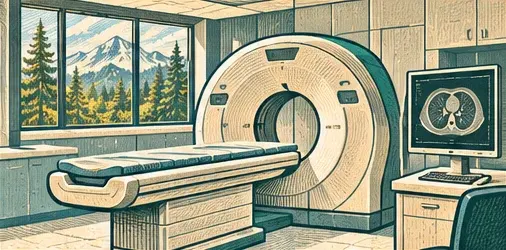
HealthcareRadiologists read images such as X-rays, CT scans and MRIs to identify signs of illness or injury. They explain the findings to the clinician who requested the exam.
HealthcareCare for patients, coordinate treatment, and guide people through recovery.
Food servicePrepare meals to order and time each dish so the table can eat together.
BusinessSales engineers help customers choose technical products or services. They discuss what a system must do and explain how the proposed equipment or software would meet those requirements.
BusinessSales managers assign territories, set targets and review results with their sales teams. They use sales records and customer preferences to decide where to concentrate the team’s efforts.
BusinessThese sales representatives help buyers choose products that require technical knowledge. They explain specifications, demonstrate how a product meets the buyer’s needs and prepare price quotations.
LogisticsShip engineers keep a vessel’s machinery running at sea. They oversee the engine-room crew and the maintenance of propulsion engines, pumps, generators and other mechanical equipment.
ScienceTransportation planning is one occupation included here. Planners study how people travel and use that evidence to evaluate proposed routes, services or transportation policies.